FRee Resources
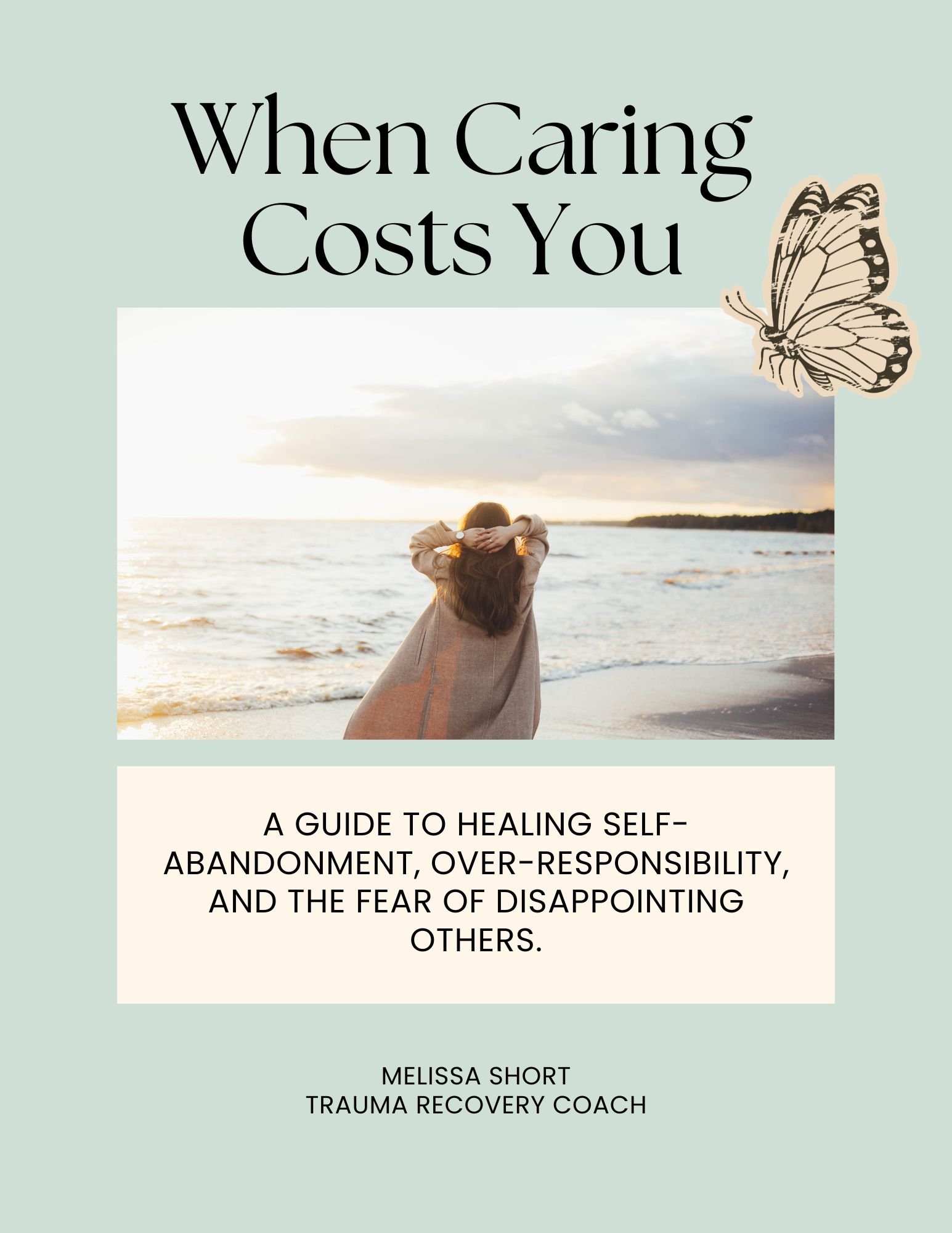
When Caring Costs You
You’re a caring person. And you’re also exhausted.
Somewhere along the way, you may have learned that caring for yourself is selfish, disappointing, or somehow wrong.
When Caring Costs You is a short guide to help you begin noticing the patterns of over-giving, self-abandonment, and burnout and understand that caring deeply for others does not have to come at the cost of yourself.
Inside, you’ll find simple reflections and practical steps to help you begin shifting these patterns with more awareness, compassion, and choice.
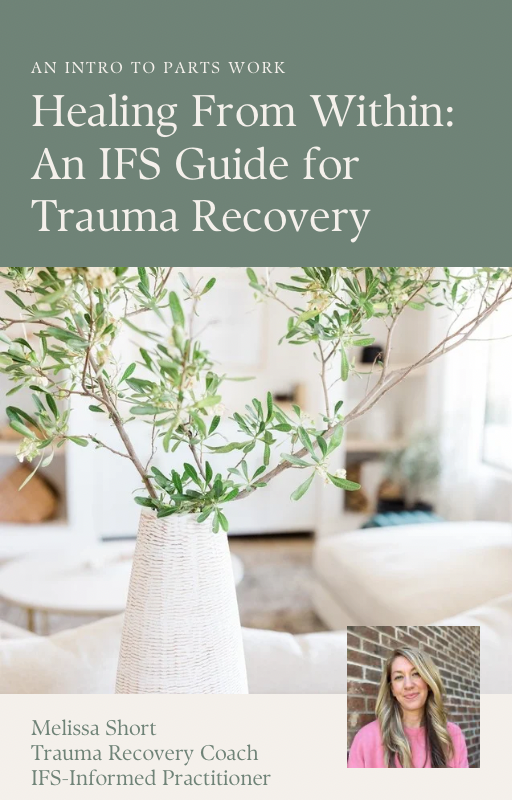
IFS helps you understand the parts of you that are working underneath the patterns, thoughts, emotions, and behaviors that feel so hard to change.
The part of you that feels anxious and is always preparing for what might go wrong. The part that feels exhausted from carrying so much. And the part that is afraid of what might happen if you finally slow down.
When those parts are pulling in different directions, it can leave you feeling tense, stuck, and unsure of what you actually need. IFS helps you slow down with compassion and begin to understand what each part is trying to protect you from.
Healing From Within
Where can I look for a Therapist?
Where can I look for a Therapist?

Do you feel that you need a little more support than I am offering? I recommend searching for a therapist through Psychology today. Here are some suggestions as you search.
Make sure you find someone that is Trauma-Trained and/or Informed. This is so important. Not all therapists are trained with trauma.
Look for modalities that include IFS(Internal Family Systems), EMDR, Somatic Experiencing, and Narrative/Story work Therapy, brainspotting. You need a therapy that involves a mind-body approach.
If you want your faith to be a part of your sessions make sure you add that to your search.
Interview the person first always & ask questions. Do an initial consultation call.
Ask for their experience with the area you are struggling with. For example, if your struggle is with parenting ask if they are a parent themselves.
Notice their demeanor, body language, and tone of voice. How much warmth, compassion, and listening were evident.
Ask their approach. Is it experiential? Is it more collaborative? How do they view their role as the therapist?
What are their values that drive their work?
Follow your gut, if it doesn’t feel right then try somebody else!

crisis or emergency help
National Suicide Prevention Helpline- 1-800-273-TALK (8255) Trained crisis counselors available 24/7.
National Domestic Violence Hotline- 1-800-799-SAFE (7233) Trained crisis counselors available 24/7.
National Sexual Assault Hotline- 1-800-656-HOPE (4673)
Suicide and Crisis- call or text 988.