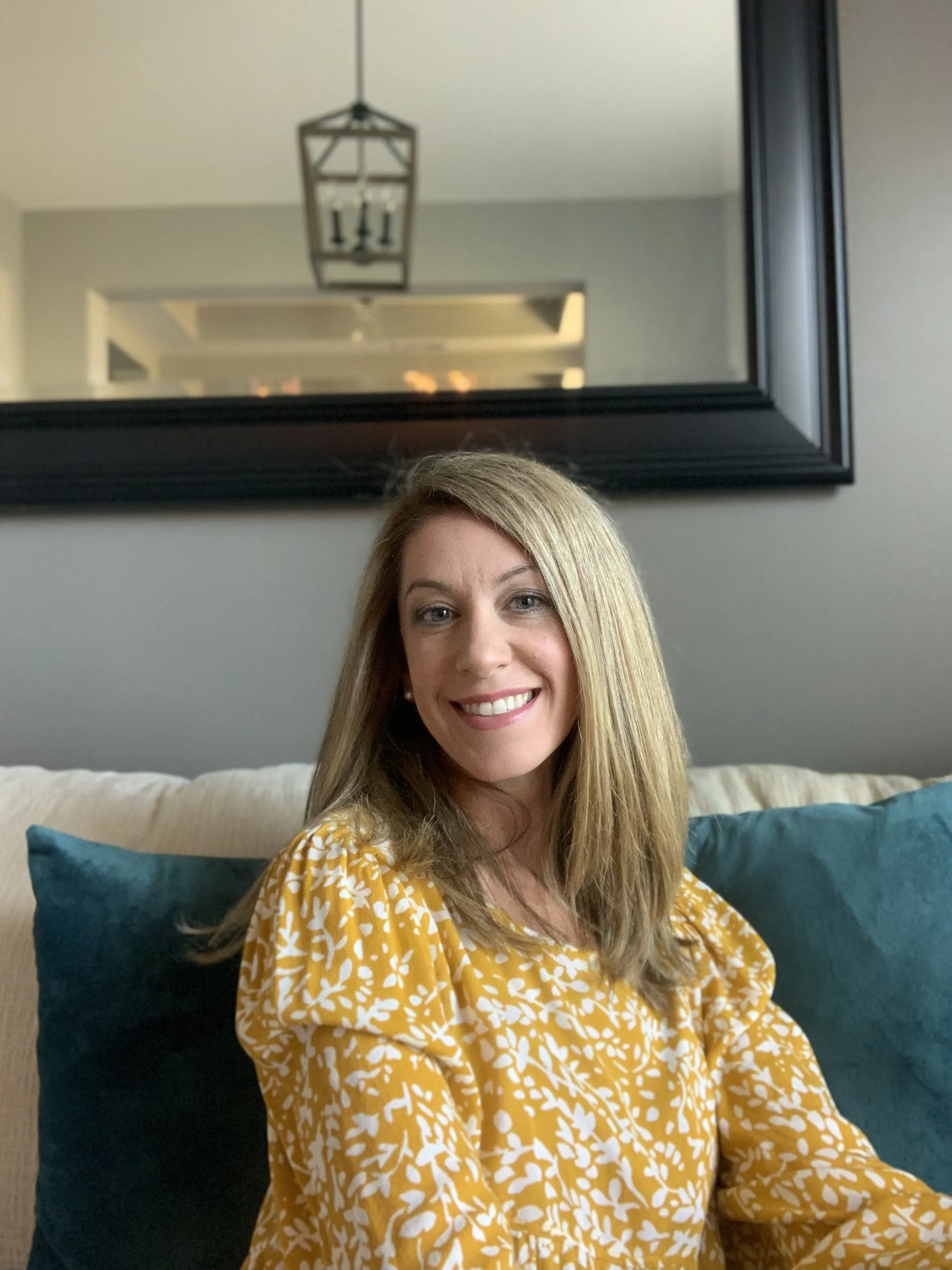
Hi, I’m Melissa short
For years, I wrestled with questions like, "What's wrong with me? Why can't I just move forward?" Learning about trauma and the nervous system changed that for me. I discovered that healing doesn't come from trying harder, it comes from learning to feel safe, connected, and compassionate toward yourself.
Today, as a Certified Trauma Support Specialist, I'm passionate about walking alongside women as they rediscover their strength, peace, and God-given capacity to heal. I believe healing happens in spaces of safety, honesty, and compassion, and it is a privilege to hold space for that process.
When I'm not working with clients, you'll usually find me outdoors with my husband and son—hiking, kayaking, or chasing waterfalls with my family. I'm a California girl turned Carolina girl who loves Mexican food, red velvet cake, deep conversations, and the slower pace of life.
Whether you're just passing through or you're ready to begin your healing journey, I'm so glad you're here.
—Melissa
My Story
After leaving a high-control group we were part of for 4 years, I couldn't understand why I was still struggling. The people, the place, the experience were all in the rearview mirror. But I wasn't.
I sat on the couch for 7 months. Disillusioned, depressed, disoriented. I tried all the things I knew to do. Counseling, prayer, forgiveness, trying harder to move forward. And while those things helped, something was still missing. I was still stuck, still circling the same patterns. Emotional overwhelm, avoidance, people-pleasing, over-responsibility. I was exhausted and completely burned out.
Trauma-informed care helped me make sense of what I'd experienced and understand that my responses weren't proof something was wrong with me. I began to understand how prolonged overwhelm can affect our brains, bodies, and relationships. It helped me reconnect with myself in ways I hadn't been able to before. I learned to make room for my emotions without guilt, recognize needs I'd spent years ignoring, and find my voice again. Little by little, I began experiencing the clarity and steadiness I'd been longing for.
That's why I do this work. I know what it's like to feel stuck, exhausted, and overwhelmed, wondering if something is wrong with you. I also know how meaningful it can be to finally understand what's been happening within you and begin relating to yourself with greater compassion and care.

My Approach

-
A space to say the things you haven't been able to say and feel the things you haven't had room to feel. Without judgment, pressure, or needing to have it all figured out. I believe compassion and genuine understanding are important parts of healing.
-
Our experiences, particularly in childhood and relationships, shape how we see ourselves and respond to the world. Together, we get curious about the patterns you've developed, what they may have helped you navigate, and why they're sometimes so difficult to change.
-
Healing isn't just about what we think or know. Our bodies carry responses to stress and difficult experiences, too. I incorporate somatic and nervous system practices to help you recognize what's happening within you and discover what supports greater steadiness.
-
So much of our struggle can come from learning to ignore our own needs, emotions, and inner voice. An important part of our work is helping you reconnect with yourself, recognize that you have choices, and develop the confidence to make decisions that reflect what matters to you.
-
Healing from religious trauma often involves untangling fear, shame, and harmful beliefs from your sense of self and spirituality. Whether you're rebuilding your faith, questioning long-held beliefs, or choosing a different path, you'll be supported with compassion and without judgment.
-
My Christian faith is an important part of my life, and I know how meaningful it can be to have space for faith in the healing process.
For women who desire it, I'm happy to integrate conversations around faith, spirituality, and their relationship with God into our work together. I also recognize that faith can be a complicated place, particularly when you've experienced religious harm.
My role isn't to tell you what to believe or where your faith journey should lead, but to offer room for honest questions, exploration, and choice.
Formal training. Real healing. Both matter here.